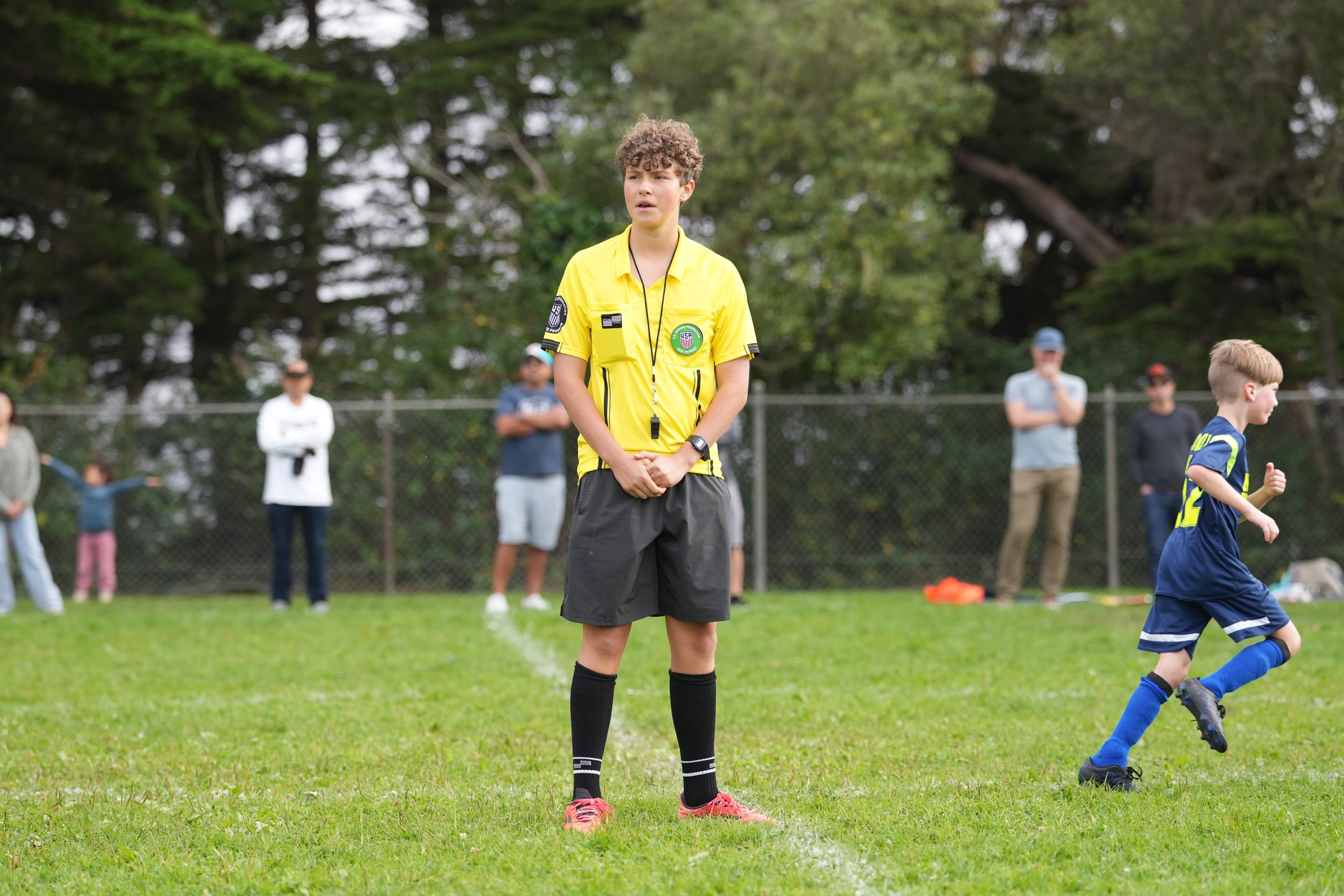
The 60-Second Game Day Game-Changer
The Pre-Match Huddle Creates a Win for Everyone on Game Day
Every weekend, over a hundred SFYS matches take place across our city. When a game runs smoothly, everyone wins: players have fun, coaches focus on teaching, and referees build confidence. But when a match unravels into frustration, it almost always stems from a breakdown in communication that started long before the final whistle.
There is a simple, 30-second habit that can dramatically improve game day for coaches, referees, and players alike: The Pre-Match Huddle.
What an "Ideal" Pre-Match Conversation Looks Like
Before kickoff, the center referee, assistant referees (ARs) or STARs, and coaches from both teams should meet briefly at midfield.
This 60-second check-in serves three quick purposes:
-
Confirm Division Rules: Everyone gets on the same page regarding half times, ball sizes, subbing, and age-specific rules.
-
Establish the Communication Pathway: The center referee outlines how they want coaches to communicate safety concerns during play.
-
Connect the Team: It establishes that the ref, ARs/STARs, and coaches are partners in keeping the environment safe and positive.
Understanding Referee's Cognitive Load
To understand why this pre-match meeting is so vital, it helps to look at what’s happening in a youth referee’s brain during a match.
Refereeing requires constant focus: tracking the ball, watching offside lines, monitoring physical contact, timing the match, and managing player safety. For a young or developing referee, this creates a high cognitive load.
When coaches or spectators yell or criticize decisions from the sideline, that cognitive load gets maxed out. Processing constant criticism consumes mental bandwidth, making it much harder for a young ref to spot fouls, track play, or recognize when a game's physical intensity is escalating.
When a game starts feeling unsafe or out of control, it is rarely because the referee doesn't care, but it is often because their processing capacity limit has been reached. The coach gets more agitated, the sideline gets louder, players react to the tension, and the game quickly devolves into chaos. Nobody walks away happy.
The Proper Way to Flag a Safety Concern
If you have a genuine safety concern during a match, yelling from the technical area only increases the referee's cognitive load and worsens the problem. Instead, use the official pathway established in your pre-match huddle:
-
Speak to your AR or STAR: Quietly ask your sideline official, "Could you please flag the center referee when appropriate? I have a safety concern."
-
The Signal: The AR/STAR flags the center referee to get their attention at the next stoppage (or immediately if there is an urgent safety hazard).
-
The Check-In: The center referee pauses play, approaches the sideline official, and receives the message calmly. If necessary, the ref can briefly step over to address the head coach directly.
When we partner together through clear communication, our youth officials build confidence, coaches feel heard, and more players, coaches, and parents walk away happy after the match. Let’s model this partnership every weekend!
posted 10/9/26
MOST RECENT
-
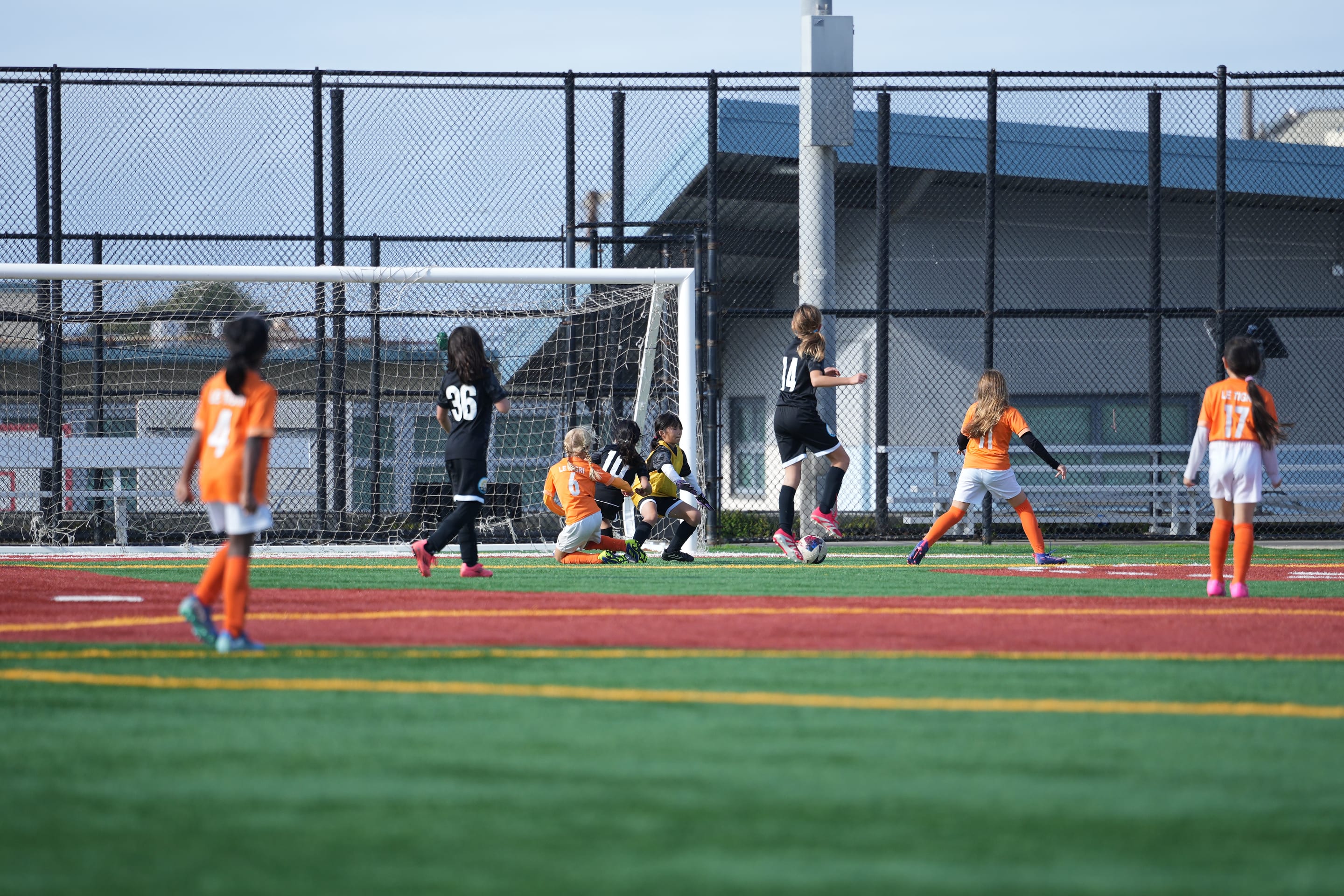 A Field Guide to the Wild World of Youth SoccerSoccer pitches across SF on a foggy weekend morning are full of energy: eager young athletes, youth referees, and an array of read more...
 -
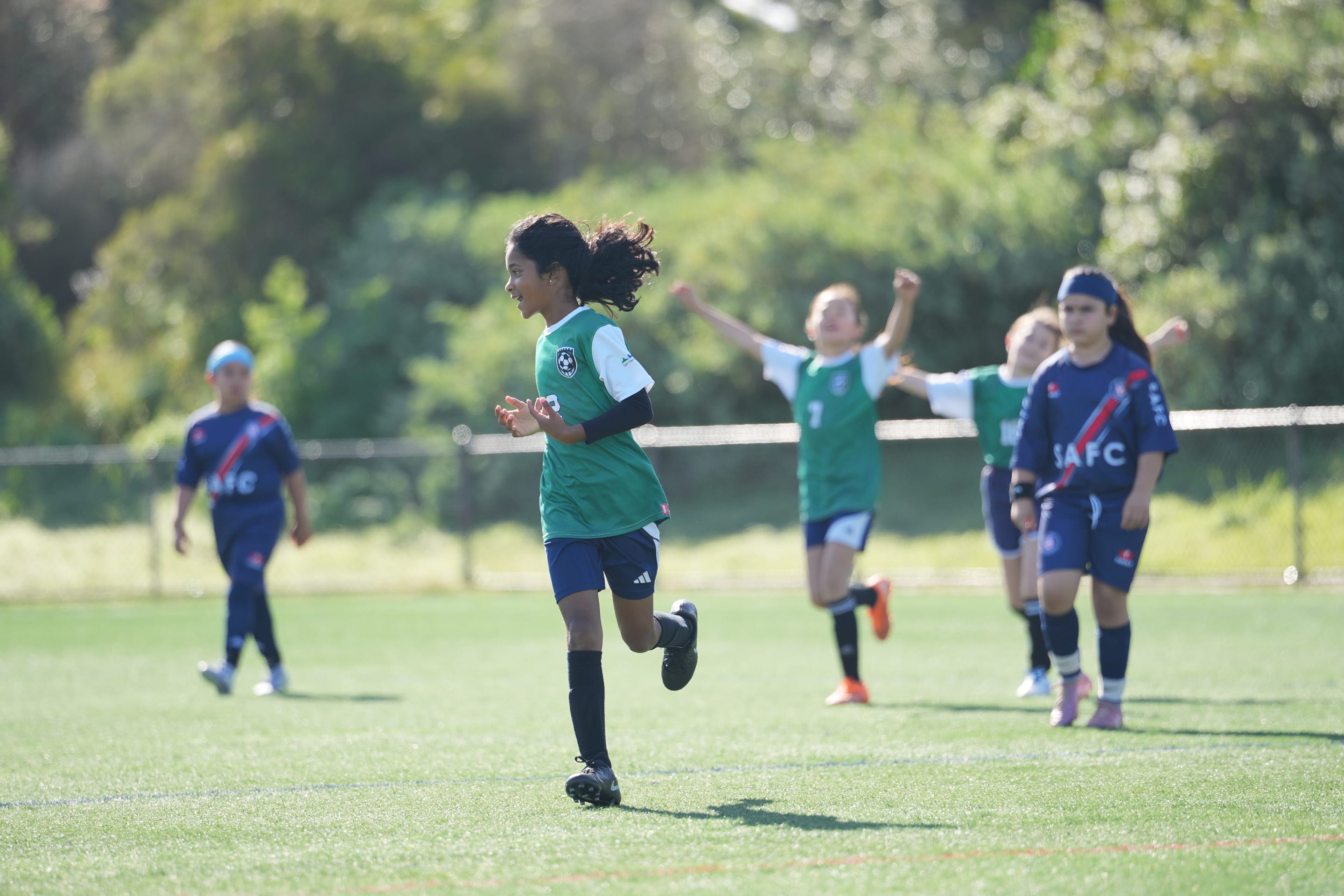 What's in store for the Fall 2026 season?Kick Off the Fall Season Joy, Growth, and Positive Sidelines! Welcome to Fall 2026! Whether you are returning to the pitch or read more...
 -
 Fall 2026 FAQsFall 2026 Season FAQ I don’t understand the Ankored compliance piece. Help! Access to our compliance platform partner - read more...
 -
 Need FREE Gear?Updated 8/4/26: ALL EQUIPMENT HAS BEEN DISTRIBUTED. We will notify our community if we have other available gear in the future. read more...
 -
 Golden Gate Coastal ClassicRegistration has been extended to August 14, 2026! Posted on behalf of Girls Unite. Updated 8/6/26 Initial Post 7/28/26 REGISTER read more...